
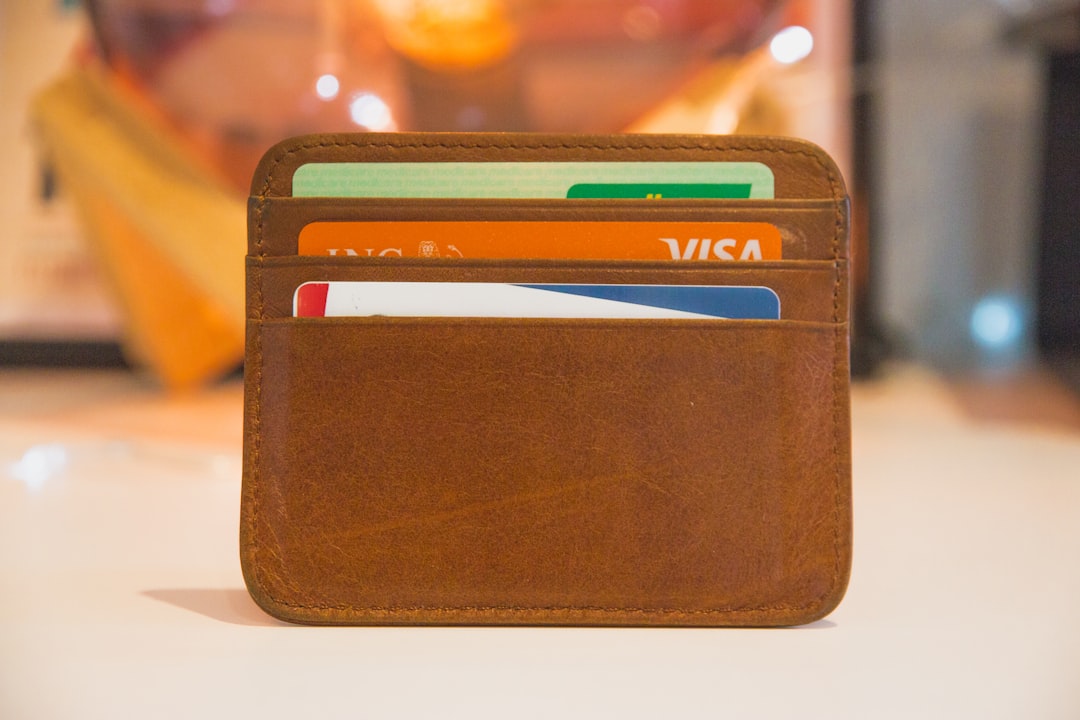
Moving to the United States is exciting — until you try to open a credit card and realize you’re starting from zero. No Social Security Number (SSN), no U.S. credit history, and suddenly even a basic rewards card feels out of reach.
Quick answer: If you have no SSN, your fastest options are ITIN-friendly unsecured cards like the Petal 2 Visa, or secured cards from major issuers like Capital One. If you have neither an SSN nor an ITIN yet, a no-credit-check secured card such as OpenSky is usually your safest entry point.
This guide breaks down exactly which cards accept expats, international professionals, and recent immigrants in 2026 — and how to pick the right one for your visa status and financial goals.
[INSERT ADSENSE HERE]
Why Building Credit as an Expat Is Different
Here’s the part most newcomers don’t expect: your credit history does not transfer to the United States. It doesn’t matter if you had a flawless credit score in Spain, India, Brazil, or the UK — U.S. credit bureaus (Experian, Equifax, and TransUnion) don’t recognize foreign credit files. You are, financially speaking, starting completely fresh.
This creates a temporary catch-22: you need credit to build credit, but most standard credit cards require an existing credit history to get approved. The good news is that a specific category of card issuers has built products designed precisely for this gap — international students, H1B and L1 visa holders, green card applicants, and other newcomers with strong income but no U.S. credit file.
What Lenders Look For When You Have No SSN or Credit History
Since traditional credit scoring doesn’t apply to you yet, issuers rely on alternative underwriting signals, including:
- ITIN or passport + visa documentation in place of an SSN
- Proof of U.S. income (pay stub, offer letter, or bank statements)
- An active U.S. bank account
- A U.S. mailing address
- In some cases, a refundable security deposit that becomes your credit limit
Understanding which of these you can provide will immediately narrow down your best options.
Best Credit Cards for Expats With No Credit History in 2026
Below is a side-by-side comparison of four of the most accessible cards currently available to expats and immigrants without an established U.S. credit history.
| Card Name | Best For | Annual Fee | Credit History Required |
|---|---|---|---|
| Petal 2 Visa | Unsecured card with cash back, no deposit | $0 | None — ITIN accepted, alternative underwriting |
| Capital One Quicksilver Secured | Cash back rewards while building credit | $0 | None — ITIN accepted, refundable deposit required |
| Capital One Platinum Secured | Lowest-cost path to build credit fast | $0 | None — ITIN accepted, deposit from $49 |
| OpenSky Secured Visa | No SSN or ITIN? Safety-net option | Varies | None — no credit check, no bank account required |
[INSERT ADSENSE HERE]
Petal 2 Visa: Best Overall for ITIN Holders
The Petal 2 Visa is one of the few genuinely unsecured cards available to newcomers. That means no security deposit — a major advantage if you’ve just relocated and want to preserve cash flow. It accepts applicants using an ITIN instead of an SSN, charges no annual fee, no foreign transaction fee, and no late fee, and it earns cash back on everyday purchases, which increases the longer you maintain on-time payments. For expats who already have a U.S. bank account and steady income, this is typically the strongest starting point.
Capital One Quicksilver Secured: Best for Rewards While Building Credit
If you’re comfortable putting down a refundable deposit, the Capital One Quicksilver Secured Cash Rewards Card lets you earn cash back from day one — something most secured cards don’t offer. Capital One is also one of the most ITIN-friendly major banks in the U.S., and it automatically reviews your account for a credit line increase after six months of responsible use, with a real path to upgrading to an unsecured card later.
Capital One Platinum Secured: Best Low-Cost Option
The Platinum Secured card is the no-frills version: a refundable deposit starting as low as $49, no annual fee, and reporting to all three credit bureaus. It won’t earn you rewards, but if your only goal is building a credit history as cheaply as possible, this is one of the most cost-efficient tools available.
OpenSky Secured Visa: Best if You Don’t Have a Bank Account Yet
OpenSky stands out because it doesn’t require a credit check — or even an existing bank account — to apply, which makes it a practical backup for expats in the very first weeks after arrival, before their financial documentation is fully in place.
[INSERT ADSENSE HERE]
How to Apply: Step-by-Step for Expats and Immigrants
- Get your ITIN if you don’t have an SSN. File Form W-7 with the IRS. This process can take several weeks, so start early if you’re not eligible for an SSN.
- Open a U.S. bank account. Most card issuers want to see an active checking account, and it’s required to make payments.
- Gather proof of income or enrollment. A job offer letter, pay stub, or, for students, proof of enrollment strengthens your application.
- Choose between unsecured and secured. If you qualify for an unsecured ITIN card like Petal 2, start there. If not, a secured card is your fastest reliable path.
- Apply online. Most issuers listed above allow a fully online application process with a decision in minutes.
How to Build Credit Fast Once You’re Approved
- Never miss a payment. Payment history is the single biggest factor in your credit score.
- Keep your utilization under 30%. Avoid maxing out your limit, even if you pay it off monthly.
- Pay in full whenever possible. Carrying a balance doesn’t build credit any faster — it just costs you in interest.
- Ask about automatic upgrades. Many secured cards, including Capital One’s, review your account for an unsecured upgrade after 6–12 months.
Frequently Asked Questions
Can I get a credit card in the US without an SSN?
Yes. Several issuers, including Capital One and fintech companies like Petal, accept an ITIN (Individual Taxpayer Identification Number) in place of an SSN. Requirements still include proof of income and a U.S. address.
What’s the difference between a secured and an unsecured credit card?
A secured card requires a refundable cash deposit that typically becomes your credit limit, which reduces risk for the issuer. An unsecured card requires no deposit but relies on alternative underwriting, like income and banking history, to approve applicants with no credit file.
How long does it take to build a credit score as a new immigrant?
Most newcomers see an initial credit score within 3 to 6 months of opening their first account, and a strong score (700+) is realistic within 12 to 24 months of consistent, on-time payments.
Does my credit history from my home country transfer to the US?
No. U.S. credit bureaus do not import credit data from other countries, regardless of how strong your credit history was abroad. Everyone starts from zero in the U.S. system.
Is a secured card bad for my credit score?
No. Secured cards report to the same credit bureaus as unsecured cards and build credit exactly the same way, as long as the issuer reports your activity monthly.
Disclaimer
This article is for informational and educational purposes only and does not constitute financial, legal, or tax advice. Card terms, fees, deposit requirements, and approval criteria are subject to change at any time at the discretion of each issuer — always verify current rates and terms directly on the official issuer website before applying. We are not a bank, lender, or credit counseling service, and this content should not be interpreted as a personalized recommendation. Consult a licensed financial advisor or immigration attorney regarding your specific situation.
Leave a Reply