
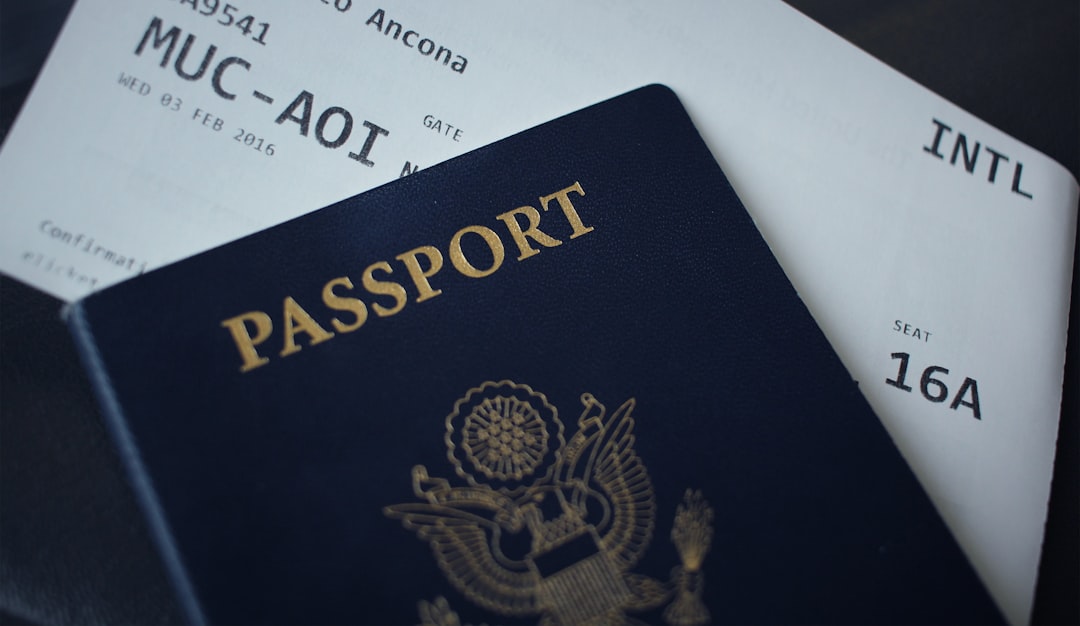
If your visa paperwork is further along than your Social Security card, you’re not alone. It’s common for international professionals to need US banking weeks or months before their SSN is issued — and waiting isn’t really an option when rent, salary deposits, and everyday expenses are already piling up.
Quick answer: For the fastest fully remote setup, Revolut and Wise let you open a USD account with just a passport, no SSN or ITIN needed. For a traditional brick-and-mortar bank, Bank of America’s Advantage SafeBalance account accepts an ITIN. For those with no SSN or ITIN at all, Majority is built specifically for that gap.
Here’s how each option compares.
[INSERT ADSENSE HERE]
Why Some Banks Don’t Actually Require an SSN
Banks are legally required to verify your identity under the Customer Identification Program (part of the USA PATRIOT Act) — but an SSN is only one accepted form of that verification, not the only one. Depending on the institution, acceptable alternatives include:
- An ITIN (Individual Taxpayer Identification Number) issued by the IRS
- A foreign passport, sometimes combined with a visa
- A matrícula consular or other government-issued ID from your home country
Which alternative a bank accepts varies significantly, which is exactly why comparing your options up front saves a lot of wasted branch visits.
Best No-SSN Bank Accounts Compared
| Bank / Provider | ID Accepted | Monthly Fee | Best For |
|---|---|---|---|
| Revolut USD Account | Passport only — no SSN or ITIN | $0 (Standard plan) | Fully remote setup before you land in the US |
| Wise USD Account | Passport only — no SSN or ITIN | $0 | Multi-currency holding and conversion |
| Bank of America SafeBalance | ITIN accepted (branch visit required) | $4.95 (waivable) | A full-service traditional bank relationship |
| Majority | Passport or matrícula consular — no SSN/ITIN | $5.99 | Newcomers with no SSN or ITIN yet |
[INSERT ADSENSE HERE]
Fintech vs. Traditional Bank: What Actually Changes?
- Fintech accounts (Revolut, Wise, Majority) are faster to open, fully digital, and don’t require a US address in most cases — but they don’t offer credit cards, loans, or full-service branch banking.
- Traditional banks (Bank of America) take longer to set up and usually require a branch visit, but plug you directly into a relationship that can later support mortgages, auto loans, and credit-building products.
Many international professionals use a fintech account for the first few weeks, then open a traditional bank account once their SSN arrives and they’re ready to build a longer-term banking relationship.
What You’ll Need to Apply
- A valid passport (universally accepted across all four options above)
- A US or international mailing address, depending on the provider
- An ITIN, if you’re applying with a traditional bank like Bank of America
- A smartphone, since all four options rely on an app-based application or verification process at some point
Frequently Asked Questions
Can I really open a US bank account with just a passport?
Yes. Revolut and Wise both allow you to open a USD account using only a passport, with no SSN or ITIN required at any point in the process.
Is it safe to keep my money in a fintech account instead of a traditional bank?
Both Revolut and Wise partner with FDIC-insured banks, offering pass-through deposit insurance up to $250,000 per depositor, subject to the terms of that partnership. Always confirm current insurance details on the provider’s official site.
Do I need to be physically in the US to open one of these accounts?
Not for Revolut or Wise — both can typically be opened remotely from abroad. Traditional banks like Bank of America generally require an in-person branch visit, which means you’ll need to be in the US first.
Will opening a no-SSN account help me build credit?
Not directly. Checking and savings accounts don’t report to credit bureaus. However, having an active US bank account is often a prerequisite for applying for a secured or ITIN credit card, which is where credit building begins.
What happens once I receive my SSN?
You can update most accounts with your new SSN directly through the app or by visiting a branch. Many international professionals keep their original no-SSN account open even after receiving an SSN, simply for the multi-currency or fee-free features.
Disclaimer
This article is for informational and educational purposes only and does not constitute financial or legal advice. Account terms, monthly fees, and identification requirements are determined by each provider and are subject to change at any time — always verify current terms directly on the official bank or provider website before applying. We are not a bank or financial institution, and this content should not be interpreted as a personalized recommendation. Consult a licensed financial advisor or immigration attorney regarding your specific situation.
Leave a Reply